You just transitioned your dog to a new food and now they have diarrhea. Before you panic and assume something is wrong with the new food, know that dog diarrhea after switching food is extremely common and, in most cases, completely normal. A dog's digestive system adapts to specific bacterial communities and digestive enzyme profiles based on what they regularly eat. Switching dog food - especially quickly - disrupts that balance and causes loose stools, gas, and occasionally vomiting. The question is: when does post-transition diarrhea cross from normal to concerning? NYP TeleVet's licensed vets can help you determine whether what you are seeing is expected or whether something else may be going on.
The digestive system's response to a new diet reflects several biological processes:
These are normal, adaptive responses - not signs that the new food is wrong for your dog.

A gradual transition minimizes digestive upset significantly:
Days 1 to 2: 75% old food, 25% new food
Days 3 to 4: 50% old food, 50% new food
Days 5 to 6: 25% old food, 75% new food
Day 7 onward: 100% new food
Sensitive-stomached dogs may benefit from an even slower transition over 2 to 3 weeks.
While mild loose stools for a few days are normal, contact a vet if:
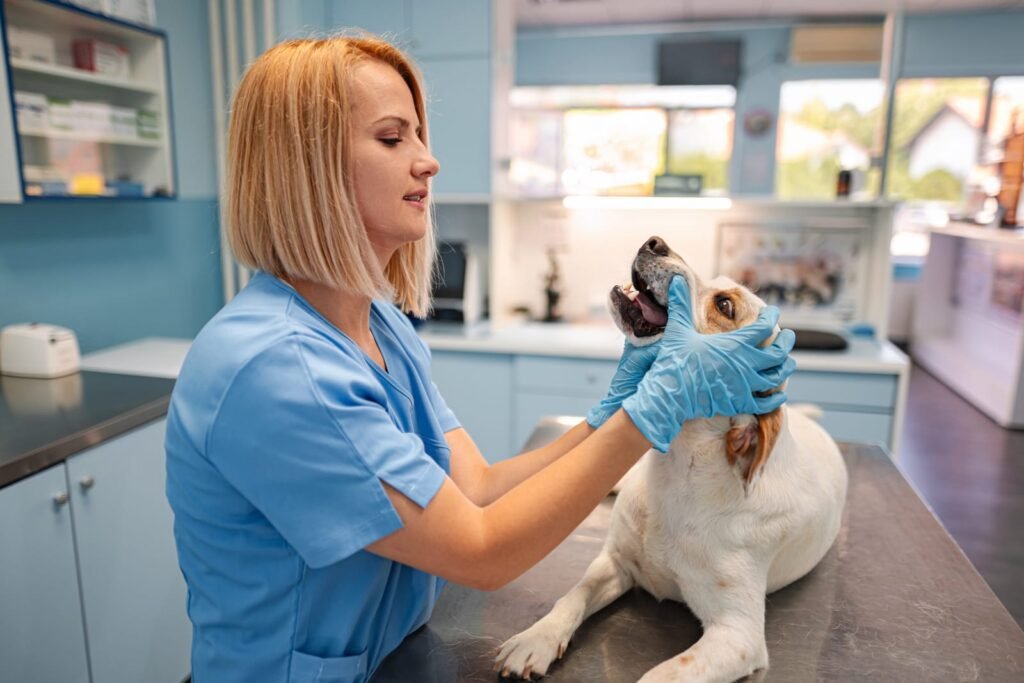
NYP TeleVet's licensed vets can help you:
At US $9.99 per month for unlimited consultations, NYP TeleVet supports every dietary decision you make for your dog.
NYP TeleVet gives you access to licensed vets 24/7, including nights, weekends and holidays, by chat, voice call or video call. One membership covers up to 6 pets. Your first month is free with code FREEMONTH, then US $9.99/month, and you can cancel anytime. Our vets can’t prescribe medication, but they’ll tell you what’s likely needed and when an in-person visit is the next step. Visit NYPTeleVet.com to get started.
⚠️ Disclaimer: NYP TeleVet is not a substitute for professional veterinary care. For emergencies (trouble breathing, seizures, severe bleeding, collapse), go to the nearest veterinary clinic immediately.
🚫 Currently not available in Hong Kong.
Not sure what to do next? Ask a vet now.