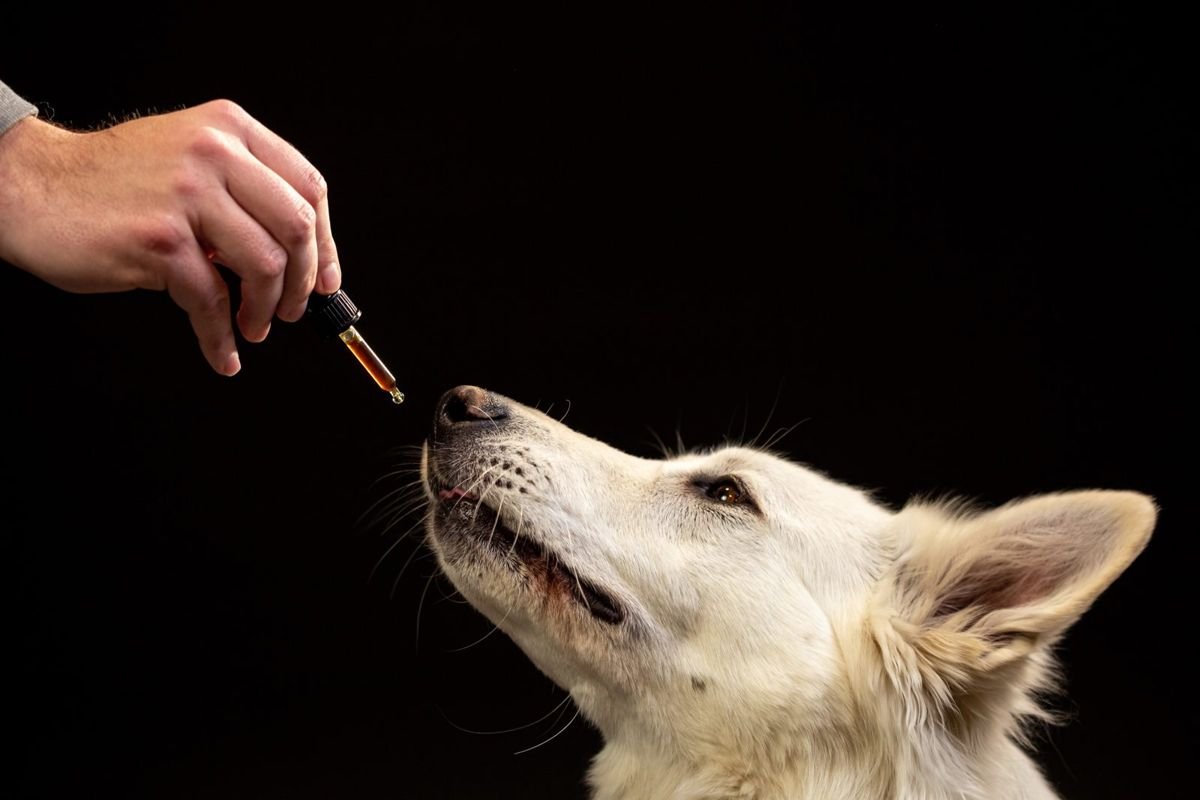
Pain relievers like ibuprofen (Advil, Motrin) and acetaminophen (Tylenol) are in almost every medicine cabinet. They’re safe for people when used as directed, but they can be very dangerous for pets. Ibuprofen and Tylenol poisoning in dogs and cats is one of the most common pet poisonings, often from a dropped pill or a well-meaning pet parent trying to ease their pet’s pain.
Why are these medicines dangerous for pets?
Dogs and cats process medicines differently than people. A dose that’s safe for a person can be toxic for a pet, especially a small one.
Ibuprofen and other NSAIDs
Ibuprofen, naproxen (Aleve) and aspirin are nonsteroidal anti-inflammatory drugs (NSAIDs). In pets, they can cause:
Stomach ulcers and bleeding
Kidney damage or failure
Nervous system signs, like seizures, at high doses
Naproxen stays in a dog’s body for a long time, which makes it especially dangerous.
Acetaminophen (Tylenol)
Acetaminophen isn’t an NSAID, but it’s still dangerous:
In cats, it damages red blood cells so they can’t carry oxygen well. Cats can’t break down acetaminophen safely, so even a small amount can be life-threatening
In dogs, larger amounts can damage the liver and red blood cells
Signs of ibuprofen poisoning
Vomiting, which may contain blood
Diarrhea or black, tarry stools
Loss of appetite
Belly pain
Increased thirst and urination, or decreased urination
Lethargy
Wobbliness, tremors or seizures at high doses
Our article on blood in your dog’s stool explains what dark or bloody stool can mean.
Keep the packaging so you know the medicine, strength and how many pills may be missing.
Contact a vet or pet poison hotline immediately.
Don’t make your pet vomit unless a vet tells you to.
Don’t give any other medicine at home.
Head to the vet if you’re told to, bringing the package with you.
How is it treated?
Treatment depends on the medicine, the amount and how soon your pet is seen. A vet may:
Induce vomiting if the pill was swallowed recently
Give activated charcoal to limit absorption
Give IV fluids to protect the kidneys
Give stomach protectants for NSAID exposure
Give a specific antidote for acetaminophen
Provide oxygen or blood transfusions in severe cases
Run blood tests over several days
Our article on understanding your pet’s blood work results explains kidney and liver values.
How to prevent pain reliever poisoning
Store medicines in closed cabinets, not on counters or nightstands
Pick up dropped pills right away
Keep purses and bags off the floor
Never share your medicine with your pet
Ask your vet about pet-safe pain relief. Our article on signs your dog is in pain can help you spot discomfort
Frequently asked questions
Can I give my dog baby aspirin?
Don’t give any human pain reliever without your vet’s advice. Safer options are available.
Is Tylenol safe for dogs?
No. Only give medicine your vet recommends for your pet.
Worried your pet swallowed a pill? Ask a vet
Talk to a licensed vet 24/7, even on holidays, by chat, voice call or video call. Your first month is free with code FREEMONTH, then US $9.99/month, at NYPTeleVet.com. One membership covers up to 6 pets, and you can cancel anytime.
Our vets can’t prescribe medication, but they’ll tell you what’s likely needed and when an in-person visit is the next step.
⚠️ Disclaimer: NYP TeleVet is not a substitute for professional veterinary care. For emergencies (trouble breathing, seizures, severe bleeding, collapse), go to the nearest veterinary clinic immediately.
🚫 Currently not available in Hong Kong.
Not sure what to do next? Ask a vet now.
First month free
Then US $9.99/month
Cancel anytime
Start Free Month
Not available in Hong Kong. Vets cannot prescribe medication.