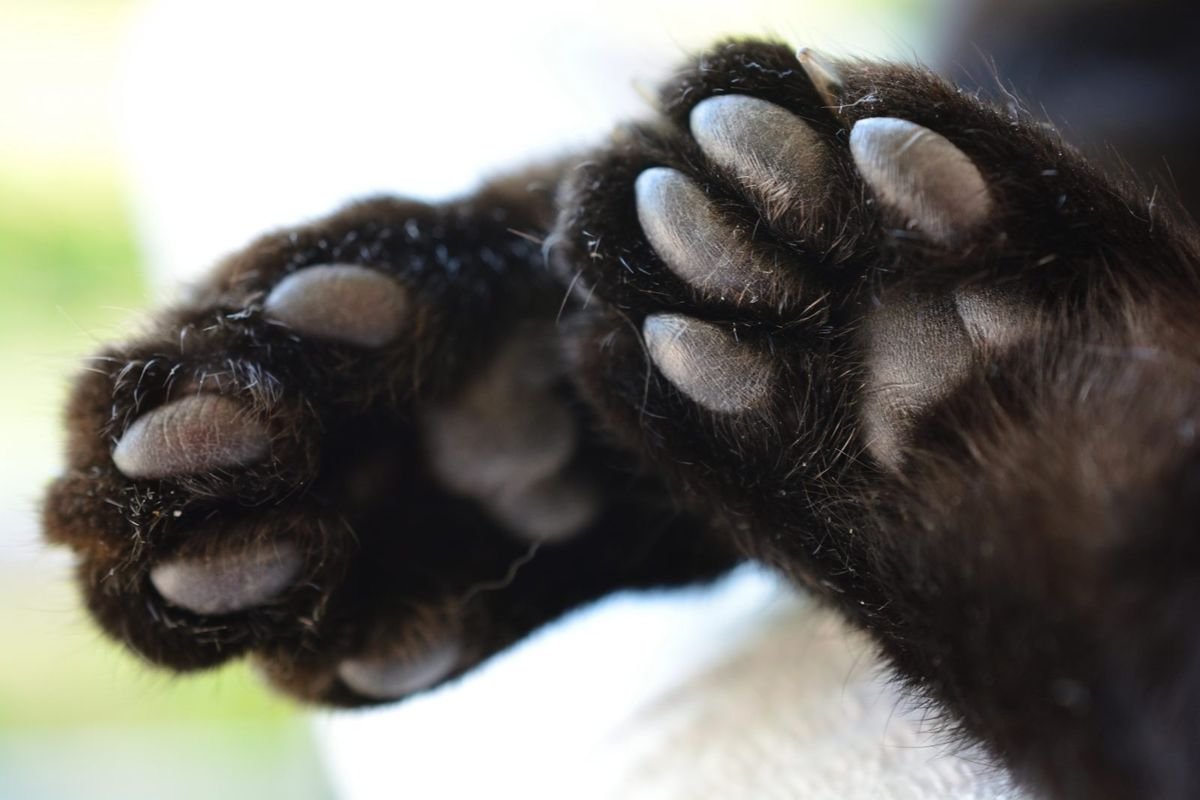
Some cats have big, mitten-like paws with extra toes, sometimes looking as if they have thumbs. These cats are called polydactyl cats. “Polydactyl” means “many digits.” Polydactyl cats are healthy and much loved, and they have a fascinating history.
Most cats have 18 toes: five on each front paw and four on each back paw. A polydactyl cat has more than that. Extra toes most often appear on the front paws, but some cats have them on the back paws or on all four.
Some polydactyl cats have just one extra toe per paw. Others have several. Extra toes can sit on the inside of the paw, looking like a thumb, or on the outside, making the paw look wide.
Polydactyly is caused by a genetic mutation. In most cats, it’s inherited in a dominant way. This means a kitten only needs one copy of the gene from one parent to have extra toes. If one parent is polydactyl, there’s a good chance some kittens in the litter will be too.
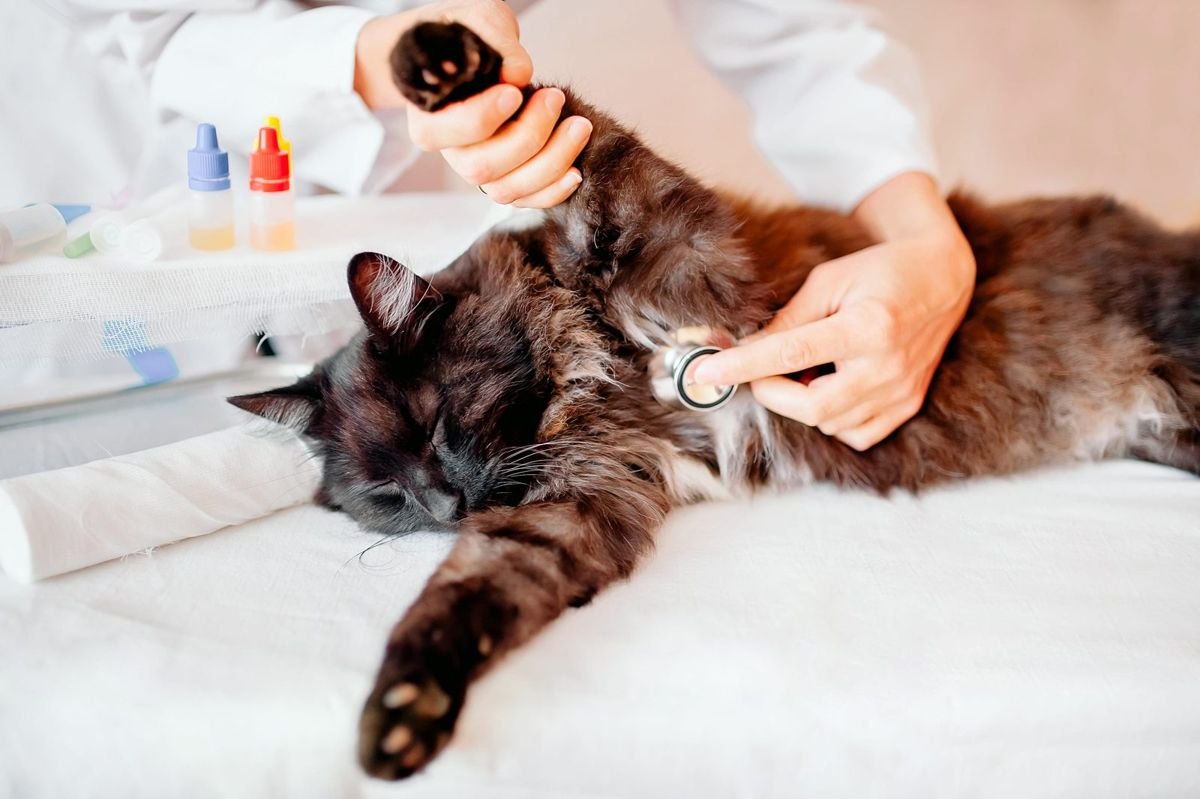
No. Polydactyly is a trait, not a breed. It can appear in any cat, though it’s more common in some populations, such as:
The author Ernest Hemingway was given a polydactyl cat by a ship’s captain. Today, dozens of cats live at the Hemingway Home and Museum in Key West, and many of them have extra toes. That’s why polydactyl cats are sometimes called “Hemingway cats.”
Sailors once considered polydactyl cats good luck on ships, possibly because their large paws helped with balance and catching mice.
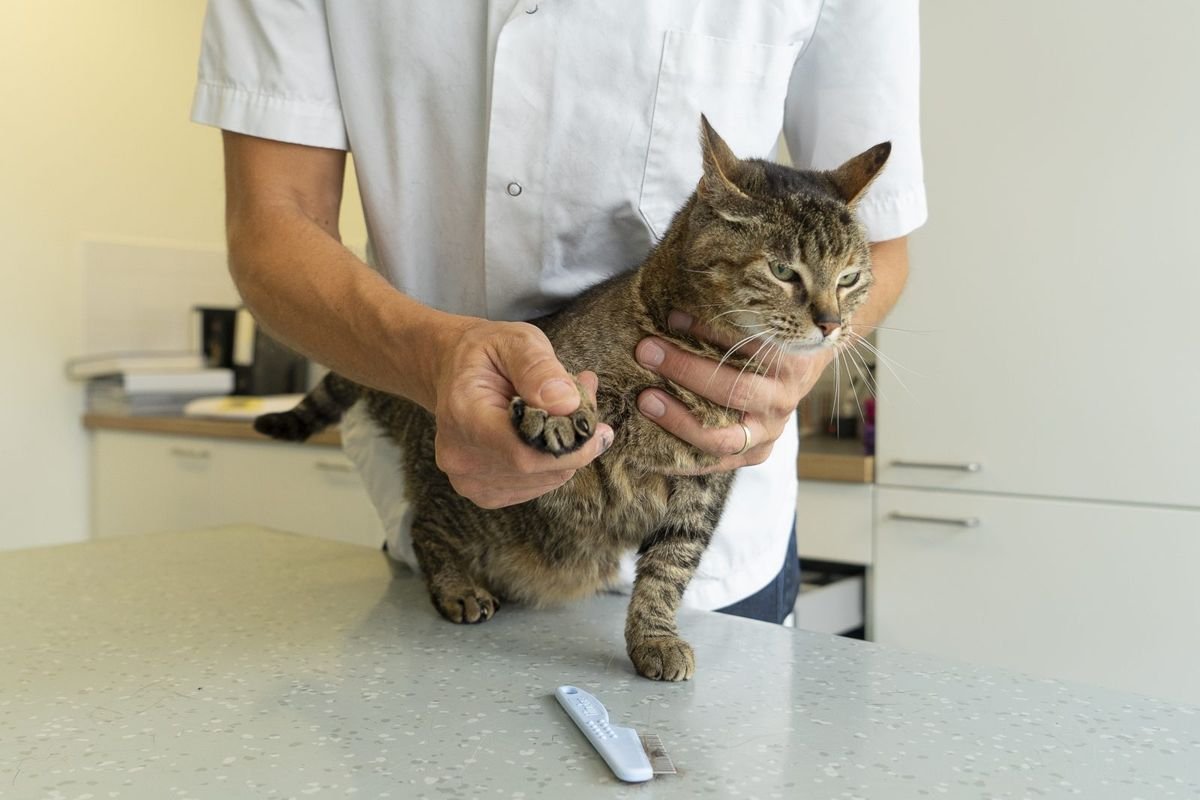
Most polydactyl cats are healthy and live normal lives. A few things to watch for:
Extra claws, especially those between toes or on the inside of the paw, may not wear down naturally. They can grow too long and curl into the paw pad, which is painful and can cause infection. Check your cat’s paws regularly and trim claws as needed.
In a small number of cats, extra toes are linked to other changes in the leg bones. If your polydactyl cat limps, walks unusually or seems sore, see your vet.
Our article on what to expect at every stage of your cat’s life covers routine care for cats of all ages.
If you notice a claw growing into the pad, swelling or discharge, contact your vet. Our guide to pet emergency signs explains when a problem can’t wait.
They’re uncommon in many places but quite common in certain areas, like parts of New England.
Mostly just regular claw checks and trims.
Talk to a licensed vet 24/7, even on holidays, by chat, voice call or video call. Your first month is free with code FREEMONTH, then US $9.99/month, at NYPTeleVet.com. One membership covers up to 6 pets, and you can cancel anytime.
Our vets can’t prescribe medication, but they’ll tell you what’s likely needed and when an in-person visit is the next step.
⚠️ Disclaimer: NYP TeleVet is not a substitute for professional veterinary care. For emergencies (trouble breathing, seizures, severe bleeding, collapse), go to the nearest veterinary clinic immediately.
🚫 Currently not available in Hong Kong.
Not sure what to do next? Ask a vet now.