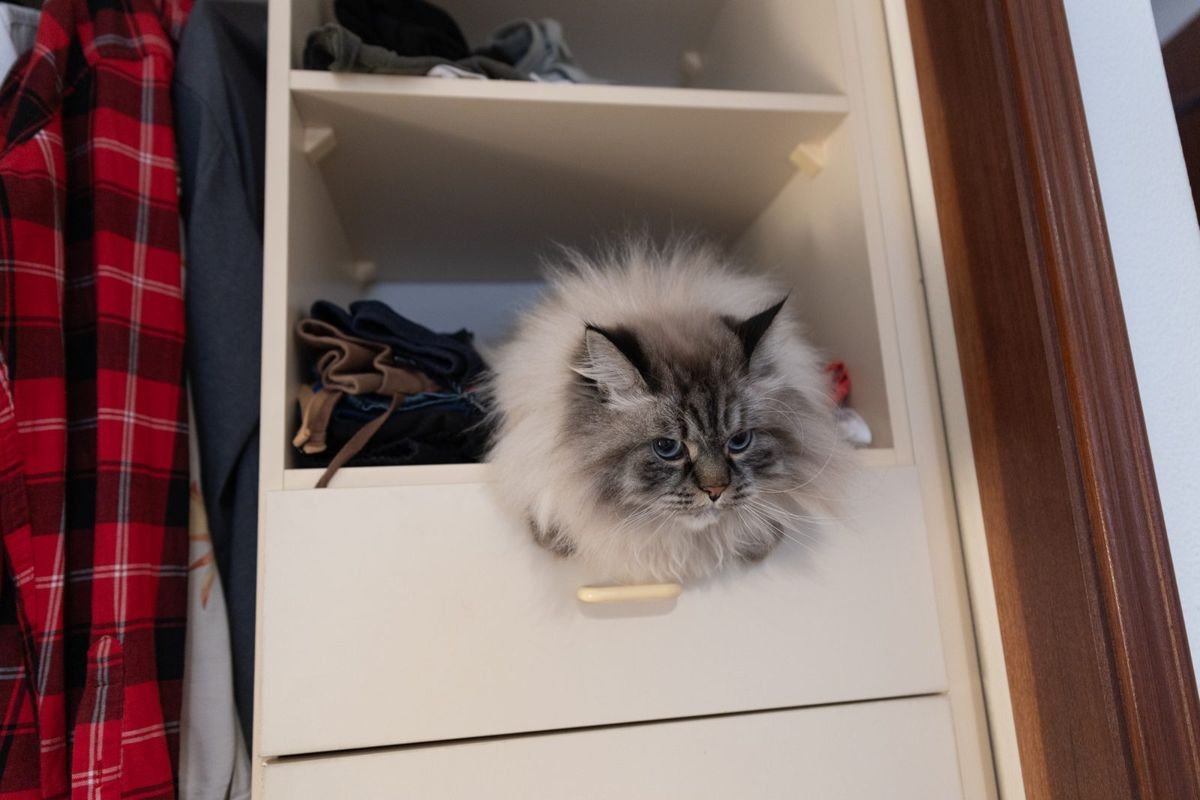
For many cats, the carrier means one thing: a trip to the vet. As soon as it comes out, they disappear under the bed. But getting your cat into a carrier doesn’t have to be a battle. With some training and the right techniques, you can make the carrier a familiar, even cozy, place.
A calm trip starts at home. Cats that are comfortable with their carrier:
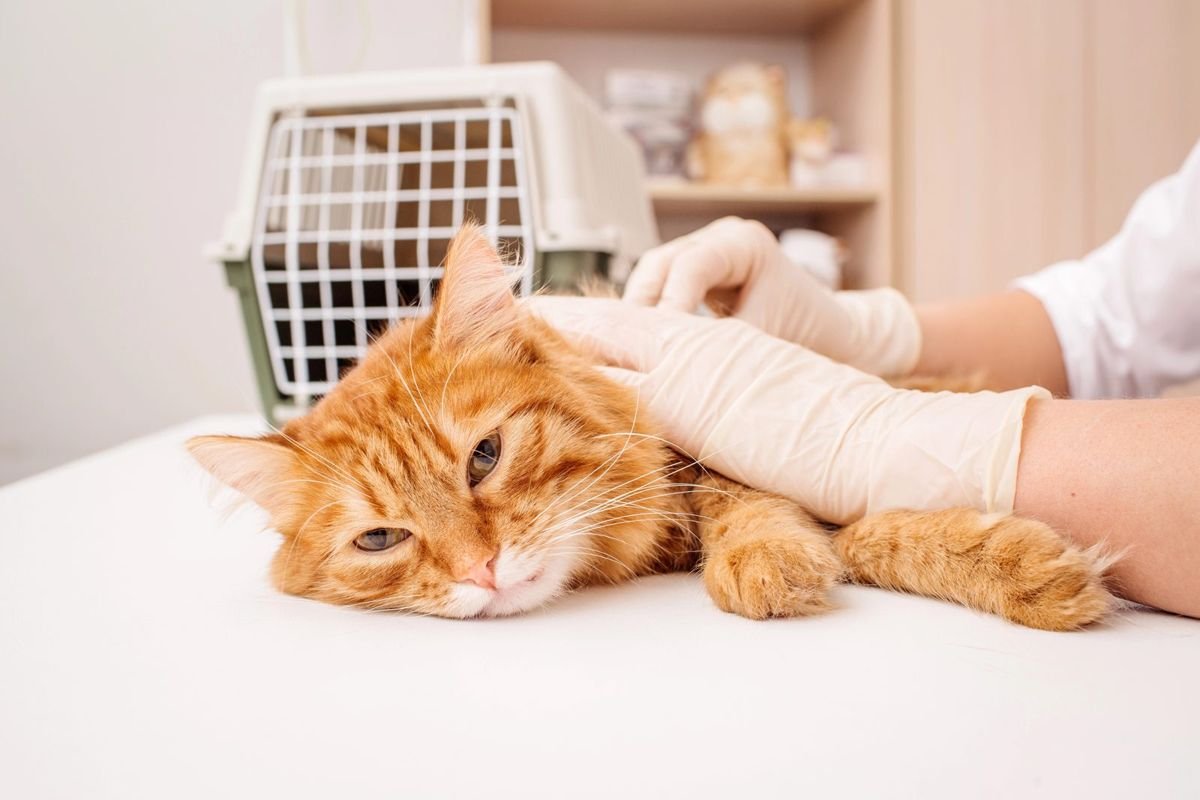
Keep the carrier in a room your cat likes, with the door open or removed. It should be part of the furniture, not something that appears only before a vet trip.
Add a soft blanket or a piece of your clothing. Some pet parents use a synthetic cat pheromone spray on the bedding.
Place treats, catnip or toys inside the carrier. Feed meals near it, then just inside the door, then further in.
Once your cat walks in on their own, close the door for a few seconds, then open it and reward. Slowly increase the time.
Pick up the carrier and walk around the house. Then try short car rides that end back home with a treat.
This process can take days or weeks. Go at your cat’s pace.
If you need to go now:
For a top-loading carrier, gently lower your cat in through the top. A towel wrapped loosely around your cat can help with wriggly or anxious cats. Never drag or force your cat in, and never tip them out at the vet.

Ask whether your cat can stay in the bottom half of the carrier for parts of the exam. Many clinics now follow cat-friendly practices to reduce stress. Our article on how to get the most from your virtual vet visit explains how an online vet can help decide when a trip is needed.
In an emergency, safety comes first. Our guide to pet emergency signs explains which signs need urgent care. Our article on my cat is hiding and not eating can help you decide how quickly to go.
Usually because it’s linked to car rides and vet visits. Training can change that.
Yes, if it’s sturdy and secure, but hard carriers are often easier at the vet.
Talk to a licensed vet 24/7, even on holidays, by chat, voice call or video call. Your first month is free with code FREEMONTH, then US $9.99/month, at NYPTeleVet.com. One membership covers up to 6 pets, and you can cancel anytime.
Our vets can’t prescribe medication, but they’ll tell you what’s likely needed and when an in-person visit is the next step.
⚠️ Disclaimer: NYP TeleVet is not a substitute for professional veterinary care. For emergencies (trouble breathing, seizures, severe bleeding, collapse), go to the nearest veterinary clinic immediately.
🚫 Currently not available in Hong Kong.
Not sure what to do next? Ask a vet now.