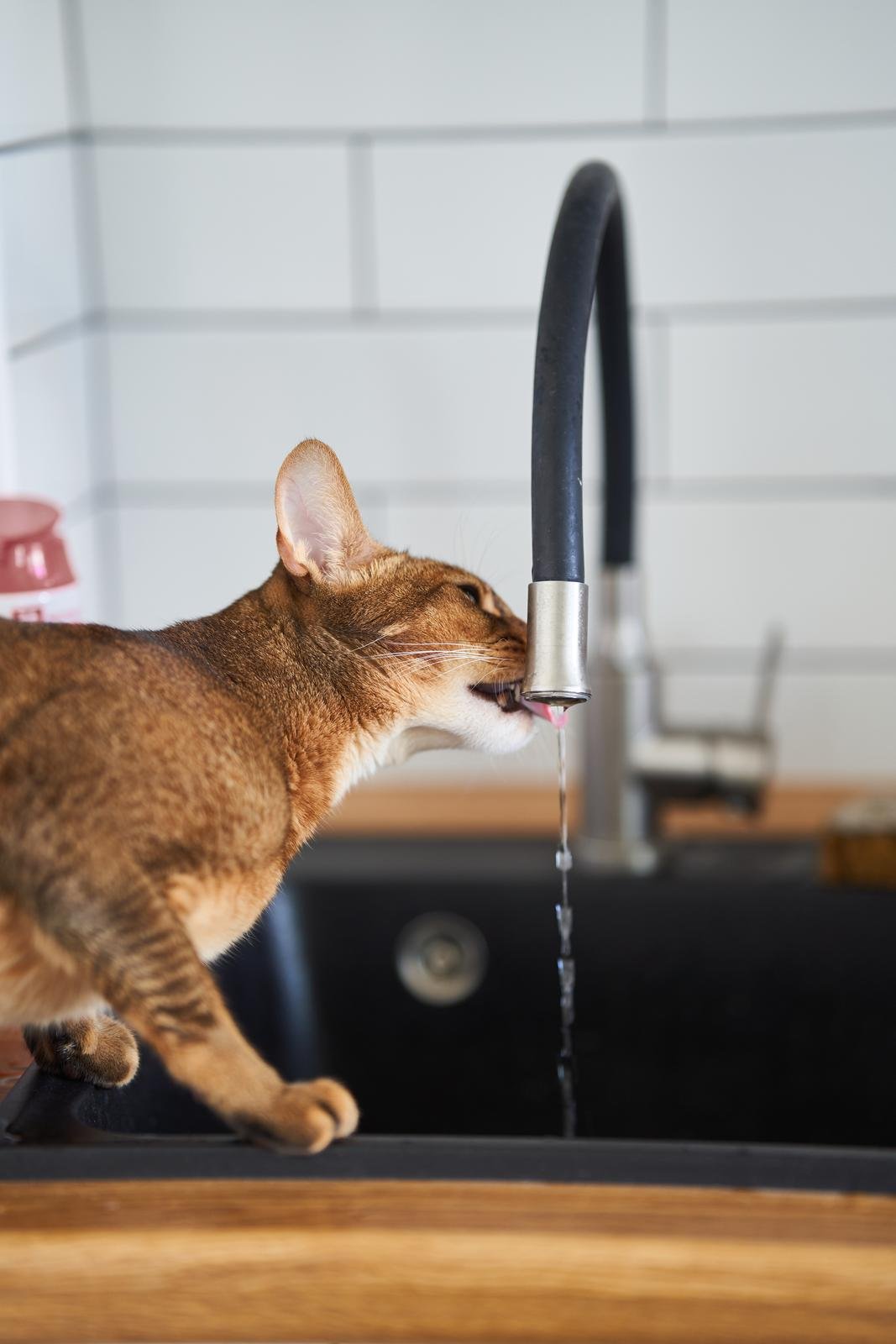
Cats have a famously low drive to drink water, a trait inherited from desert-dwelling ancestors who obtained most of their hydration from prey. In the modern domestic setting, this creates a real risk: cat dehydration is common, particularly in cats fed primarily dry food. Cat not drinking water enough can contribute to urinary tract disease, kidney disease, and bladder stones - conditions that are among the most common and costly health problems in cats. Learning to recognize the signs of dehydration in your cat - and knowing how to encourage adequate water intake - can meaningfully protect your cat's long-term health. NYP TeleVet's licensed vets can help you assess your cat's hydration and give you practical strategies to improve it.
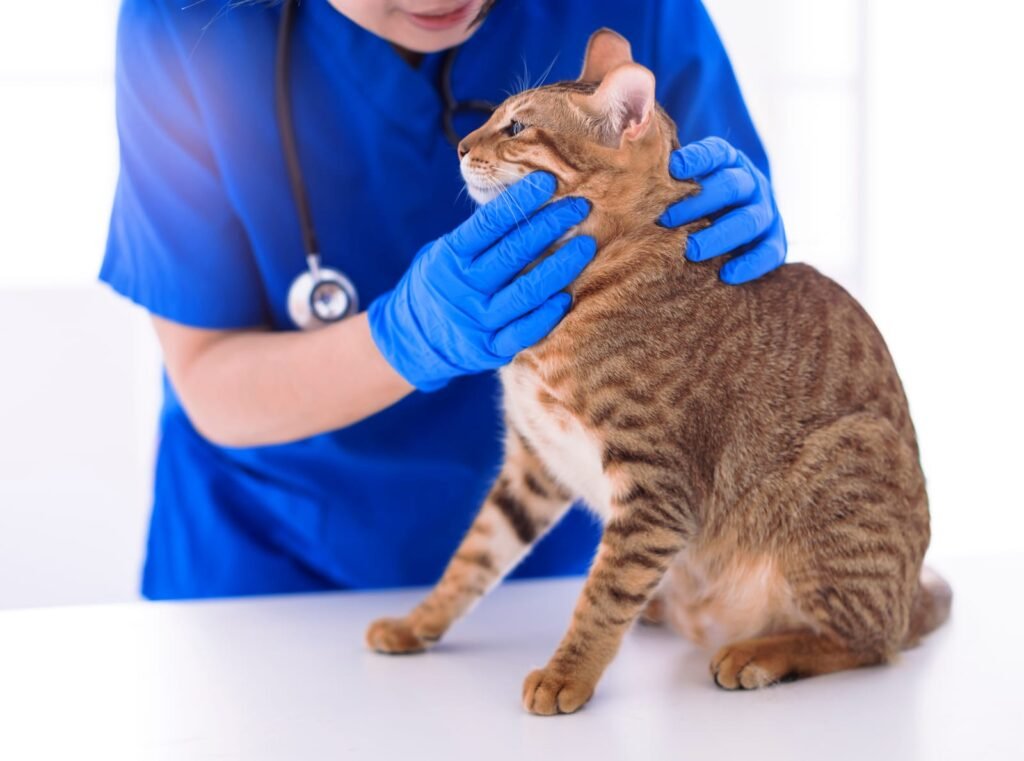
There are several ways to assess your cat's hydration status at home:
Skin turgor test. Gently pinch the skin at the back of the neck and release. In a well-hydrated cat, the skin springs back immediately. Slow return indicates dehydration.
Gum check. Healthy gums are moist and pink. Dry or tacky gums are a sign of dehydration.
Eyes. Sunken-appearing eyes can indicate significant dehydration.
Urine output. A dehydrated cat may produce less urine and more concentrated (darker yellow) urine.
Energy level. Dehydrated cats are often lethargic and less interactive than usual.
Simple strategies can significantly improve a cat's water intake:
Contact a vet if your cat shows:
NYP TeleVet's licensed vets can help you assess your cat's hydration, recommend species-appropriate dietary changes, and advise on whether your cat needs veterinary evaluation.
NYP TeleVet gives you access to licensed vets 24/7, including nights, weekends and holidays, by chat, voice call or video call. One membership covers up to 6 pets. Your first month is free with code FREEMONTH, then US $9.99/month, and you can cancel anytime. Our vets can’t prescribe medication, but they’ll tell you what’s likely needed and when an in-person visit is the next step. Visit NYPTeleVet.com to get started.
⚠️ Disclaimer: NYP TeleVet is not a substitute for professional veterinary care. For emergencies (trouble breathing, seizures, severe bleeding, collapse), go to the nearest veterinary clinic immediately.
🚫 Currently not available in Hong Kong.
Not sure what to do next? Ask a vet now.