Megaesophagus is a condition where a dog’s esophagus, the tube that carries food from the mouth to the stomach, becomes enlarged and loses its ability to move food along. Food and water can pool in the esophagus and come back up. Megaesophagus in dogs can’t always be cured, but many dogs live good lives with careful feeding and management.
Normally, the esophagus uses wave-like muscle movements to push food into the stomach. In megaesophagus, these muscles are weak and the esophagus is stretched. Food sits in the esophagus instead of moving down, then comes back up.
The main sign of megaesophagus is regurgitation, which is different from vomiting:
Our article on dog vomiting once vs. multiple times explains vomiting in more detail.

When food or liquid comes back up, it can be breathed into the lungs. This causes aspiration pneumonia, a serious lung infection. Signs include coughing, fast breathing, fever and lethargy. Our article on why your dog is breathing fast while resting explains breathing changes that need urgent care.
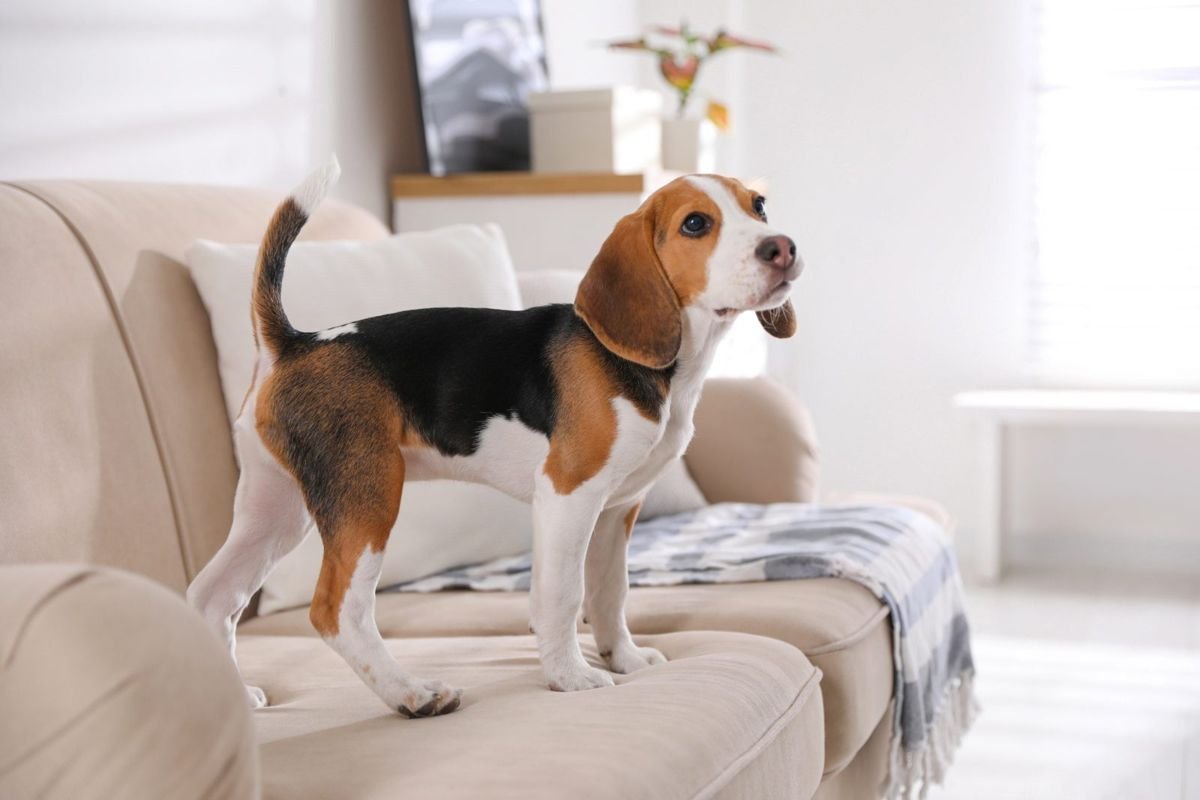
Some puppies are born with it. Signs often start when puppies begin eating solid food. Breeds at higher risk include:
Some puppies have a vascular ring anomaly, a blood vessel that wraps around the esophagus. This can sometimes be corrected with surgery.
This develops in adult dogs and may be linked to:
In many dogs, no cause is found.
Your vet will usually take chest X-rays, which can show an enlarged esophagus and signs of pneumonia. Blood tests can look for underlying causes, like myasthenia gravis or hypothyroidism. Our article on understanding your pet’s blood work results explains common tests.
Feeding in an upright position lets gravity move food into the stomach. Many families use a special upright feeding chair (often called a Bailey chair). Dogs usually stay upright for 10 to 30 minutes after eating, as your vet recommends.
Some dogs do best with meatballs of canned food, others with a smooth slurry. Your vet can help you find what works.
With dedicated care, many dogs live comfortably for years. Watch closely for signs of pneumonia, and keep regular vet checkups.
Some puppies with congenital megaesophagus improve as they grow, but many need lifelong care.
It’s not usually painful, but pneumonia and weight loss can make dogs feel very unwell.
Talk to a licensed vet 24/7, even on holidays, by chat, voice call or video call. Your first month is free with code FREEMONTH, then US $9.99/month, at NYPTeleVet.com. One membership covers up to 6 pets, and you can cancel anytime.
Our vets can’t prescribe medication, but they’ll tell you what’s likely needed and when an in-person visit is the next step.
⚠️ Disclaimer: NYP TeleVet is not a substitute for professional veterinary care. For emergencies (trouble breathing, seizures, severe bleeding, collapse), go to the nearest veterinary clinic immediately.
🚫 Currently not available in Hong Kong.
Not sure what to do next? Ask a vet now.