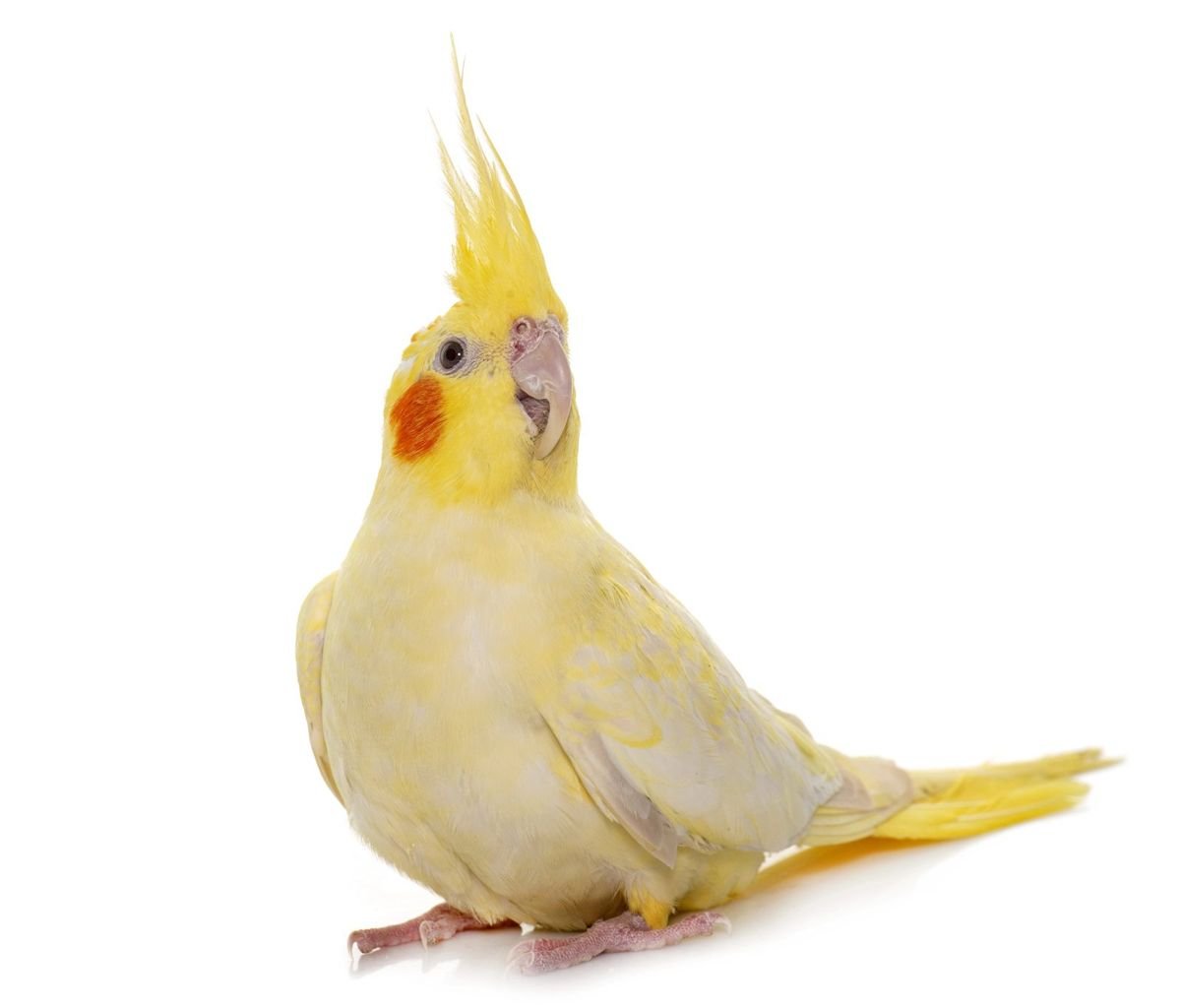
Cockatiels are friendly, social birds known for their crests, cheek patches and cheerful whistles. They’re one of the most popular pet birds, and a healthy diet is key to helping them live a long, happy life. Here’s what to know about cockatiel food, toxic foods and lifespan.
With good care, cockatiels often live 15 to 20 years, and many live into their twenties. Diet plays a big role in reaching that full lifespan.
Many cockatiels are fed mostly seeds, but an all-seed diet is high in fat and low in important nutrients like vitamin A, calcium and protein. Over time, a seed-heavy diet can lead to:

PetMD, citing an avian vet, recommends that formulated pellets make up about 70% of a cockatiel’s diet. Pellets are designed to provide balanced nutrition.
Offer a variety of fresh vegetables daily, such as:
Offer small amounts of fruit as a treat, such as apple (without seeds), berries, melon and mango.
Seeds can be used in small amounts as treats or for training. Treats of all kinds should stay under about 10% of the diet.
Provide fresh, clean water every day, and clean the dish daily.
Cockatiels can be stubborn about new foods. To switch:
Ask an avian vet for help if your cockatiel refuses to eat.

Never feed your cockatiel:
Our pet poison guide lists other toxic household items.
Birds have very sensitive lungs. Fumes from nonstick (PTFE) cookware, aerosol sprays, scented candles and smoke can be deadly. Our article on whether essential oils are safe for pets explains more about airborne risks.
Birds often hide illness. Watch for:
If you see these signs, contact an avian vet right away.
Small amounts of plain whole-grain bread are okay occasionally, but it isn’t nutritious.
It varies. Weigh your bird and ask your avian vet.
Talk to a licensed vet 24/7, even on holidays, by chat, voice call or video call. Your first month is free with code FREEMONTH, then US $9.99/month, at NYPTeleVet.com. One membership covers up to 6 pets, and you can cancel anytime.
Our vets can’t prescribe medication, but they’ll tell you what’s likely needed and when an in-person visit is the next step.
⚠️ Disclaimer: NYP TeleVet is not a substitute for professional veterinary care. For emergencies (trouble breathing, seizures, severe bleeding, collapse), go to the nearest veterinary clinic immediately.
🚫 Currently not available in Hong Kong.
Not sure what to do next? Ask a vet now.