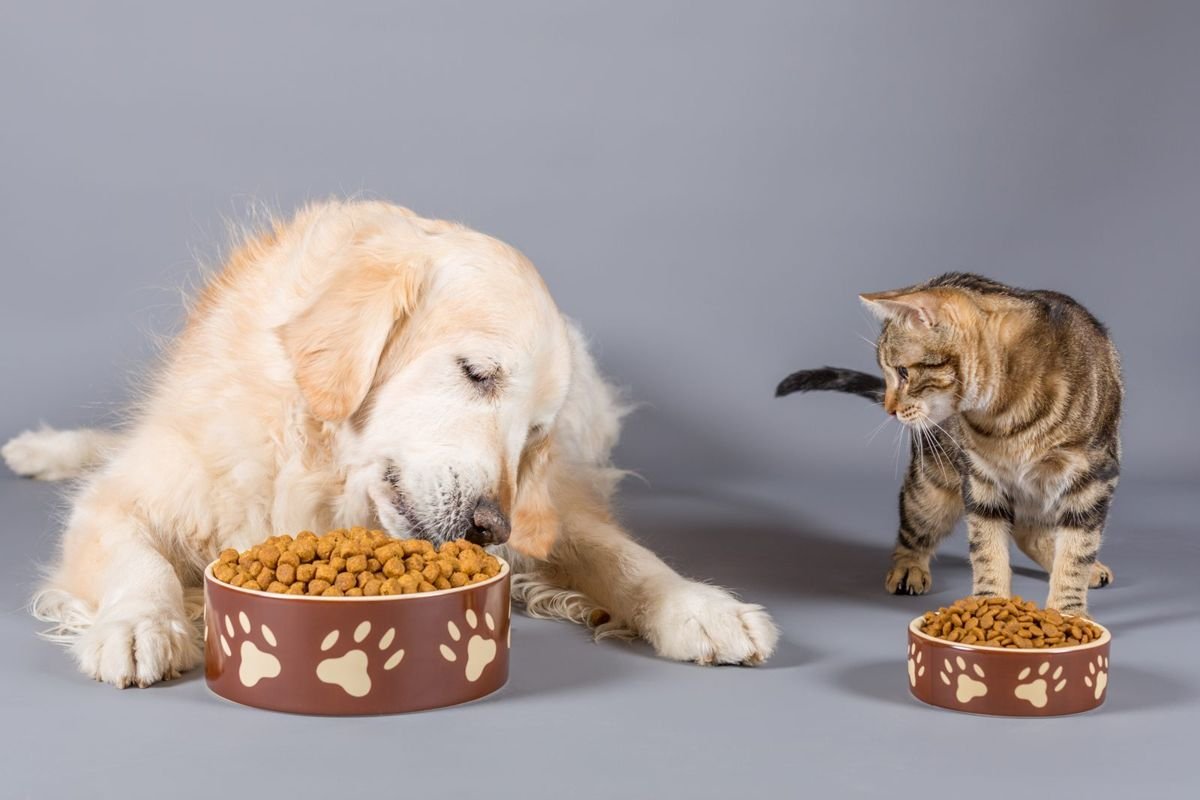
Feeding the right amount is one of the most important things you can do for your cat’s health. Many indoor cats eat more calories than they need, and obesity is one of the most common health problems in cats. It can lead to diabetes, arthritis and other problems. This guide explains how much to feed a cat, how to portion wet and dry food, and how to set up a feeding schedule.
Every cat is different. Calorie needs depend on age, size, activity level, body condition and whether your cat is spayed or neutered. The World Small Animal Veterinary Association (WSAVA) gives these guideline ranges for healthy adult cats at an ideal weight:
These are starting points only. Your vet can help you find the right amount for your cat.
Kittens, pregnant or nursing cats, and very active cats need more. Our new kitten care guide explains how to feed growing kittens.
Cat food labels list calories as kcal per can, cup or kilogram. To work out portions:
For example, if your cat needs 220 calories a day and a 5.5 oz can has 180 calories, they’d need about 1 and 1/4 cans per day.
The feeding guide on the label is a general starting point and often overestimates for indoor cats.
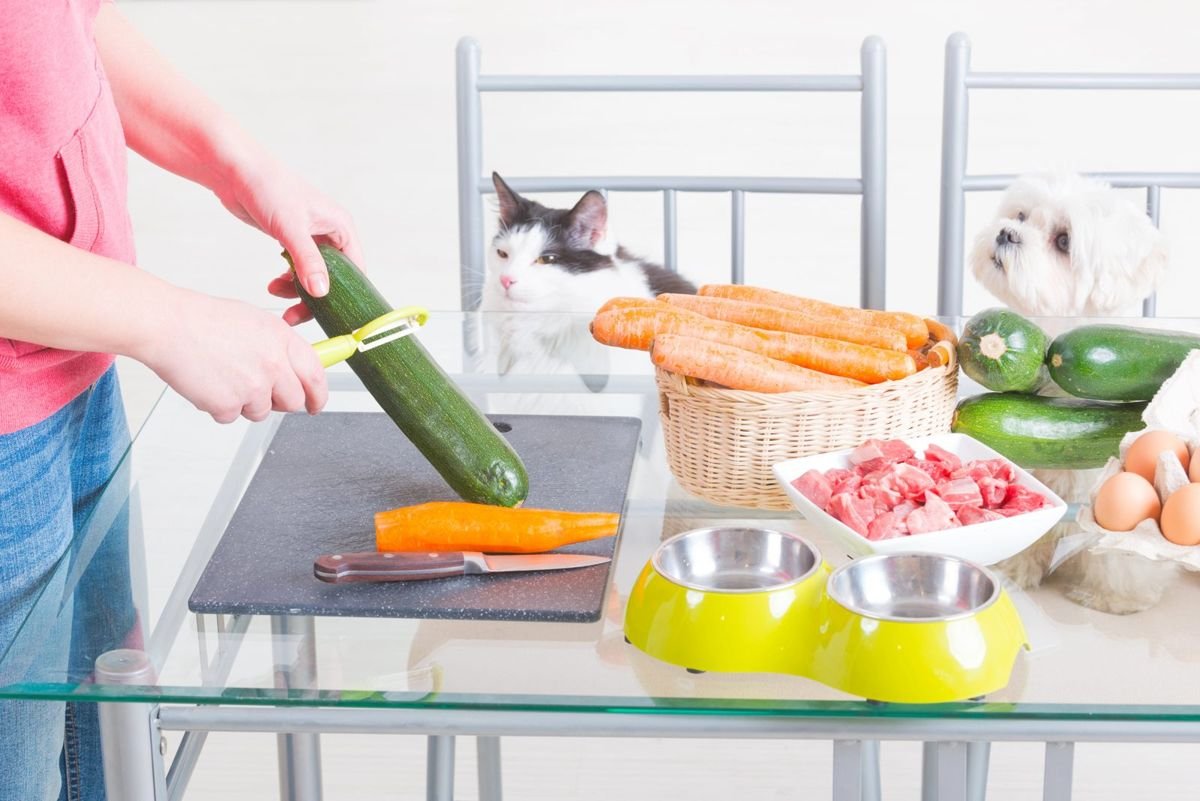
Many cats eat both. If you feed both, divide the daily calories between wet and dry food so the total stays the same.
Our article on whether your cat is drinking enough water explains why moisture matters.
Free feeding (leaving food out all day) can lead to weight gain in some cats. Measured meals help you track appetite, which is an early sign of illness.

Treats should make up no more than 10% of your cat’s daily calories. Count them as part of the daily total.
A cat at a healthy weight should have:
Ask your vet to check your cat’s body condition at each visit. Our article on what to expect at every stage of your cat’s life explains how needs change with age.
Call your vet if your cat suddenly eats much more or much less, loses or gains weight, or stops eating. Cats that don’t eat for more than a day or two can develop serious liver problems. See my cat is hiding and not eating.
Both can be healthy. Many vets like adding wet food for extra moisture.
Ask your vet for a safe weight-loss plan. Cats shouldn’t lose weight too quickly.
Talk to a licensed vet 24/7, even on holidays, by chat, voice call or video call. Your first month is free with code FREEMONTH, then US $9.99/month, at NYPTeleVet.com. One membership covers up to 6 pets, and you can cancel anytime.
Our vets can’t prescribe medication, but they’ll tell you what’s likely needed and when an in-person visit is the next step.
⚠️ Disclaimer: NYP TeleVet is not a substitute for professional veterinary care. For emergencies (trouble breathing, seizures, severe bleeding, collapse), go to the nearest veterinary clinic immediately.
🚫 Currently not available in Hong Kong.
Not sure what to do next? Ask a vet now.