“Doggy breath” is so common that many pet parents think it is normal. But persistent dog bad breath is often a sign of dental disease, and occasionally a clue to a problem elsewhere in the body. The good news is that most causes are treatable.
Plaque and tartar build up on teeth, leading to gum inflammation and infection. Signs include:
Dental disease is painful and can affect overall health. See why your pet’s dental health matters.
Book a vet visit if bad breath:
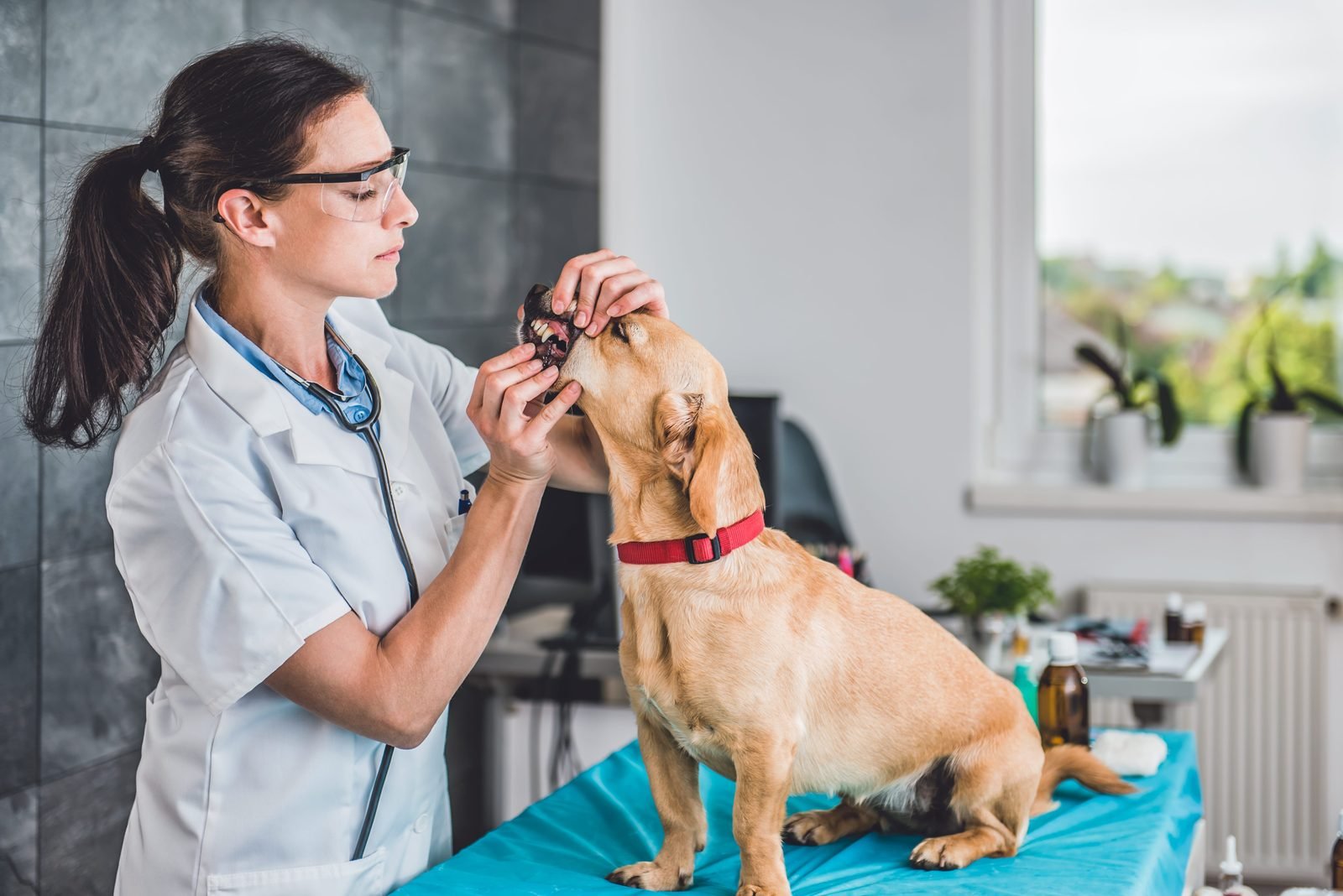
Your vet will examine the mouth and may recommend a professional dental cleaning under anesthesia. This allows a full cleaning above and below the gumline, X-rays and treatment of any painful teeth. If other health problems are suspected, blood and urine tests may be recommended.
Breath sprays and water additives can help a little, but they do not replace brushing or cleanings.

Small and toy breeds often have crowded teeth and more dental disease. Start brushing early and keep up with checkups. Puppies who get used to having their mouths handled are much easier to brush as adults, so make tooth time a short, positive routine with praise and a treat afterward.
Not sure if your dog’s breath means a dental problem? A clear photo of the teeth and gums can help a vet tell you whether a cleaning is likely needed soon or can wait for the next checkup.
Mild breath odor can be normal, but strong or persistent bad breath usually means something needs attention.
Sometimes. Kidney disease, diabetes and liver problems can change breath odor, so it is worth a vet check.
Talk to a licensed vet 24/7, even on holidays, by chat, voice call or video call. Your first month is free with code FREEMONTH, then US $9.99/month, at nyptelevet.com/. One membership covers up to 6 pets, and you can cancel anytime.
Our vets can’t prescribe medication, but they’ll tell you what’s likely needed and when an in-person visit is the next step.
⚠️ Disclaimer: NYP TeleVet is not a substitute for professional veterinary care. For emergencies (trouble breathing, seizures, severe bleeding, collapse), go to the nearest veterinary clinic immediately.
🚫 Currently not available in Hong Kong.
Not sure what to do next? Ask a vet now.